Stati di Mare
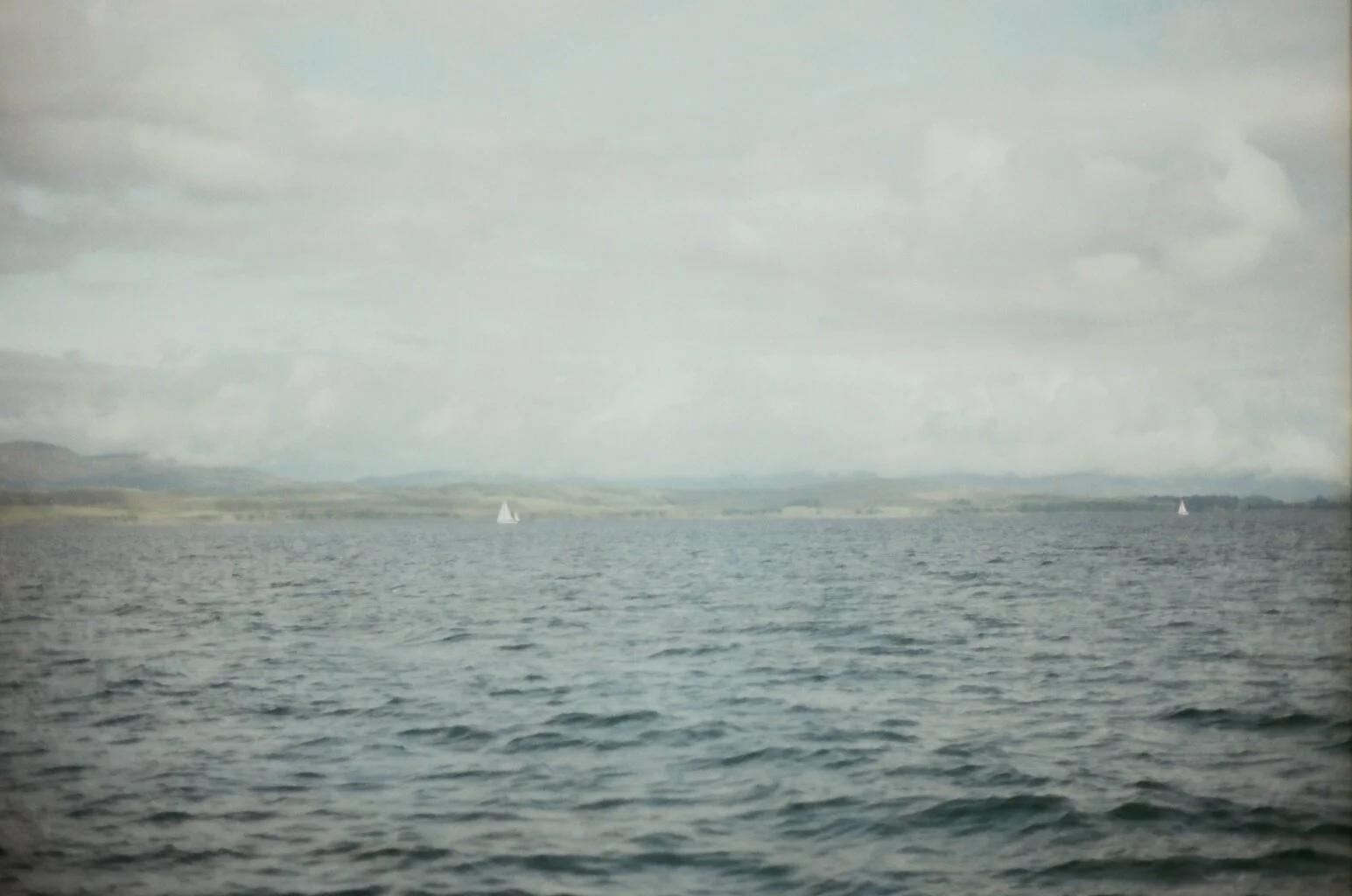
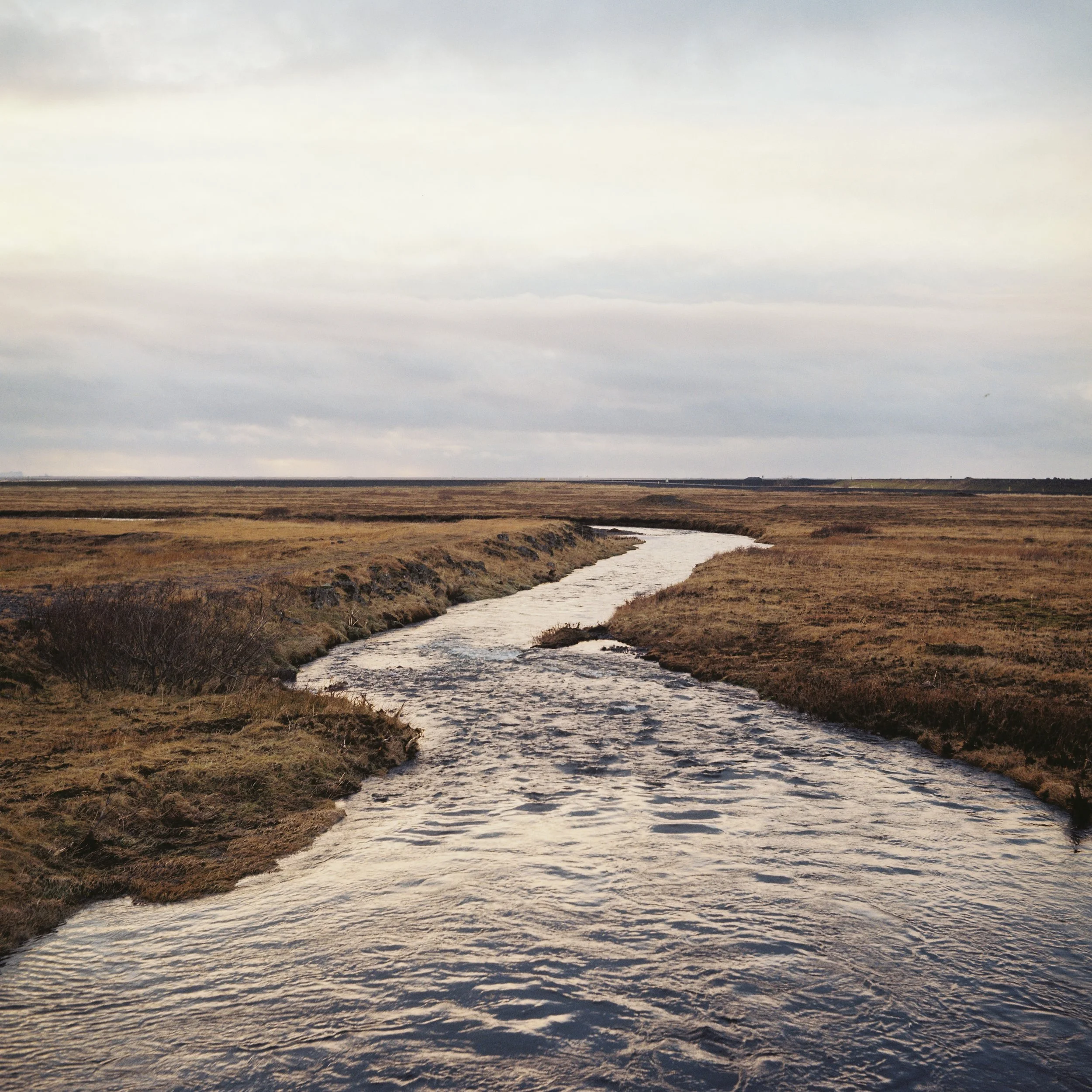
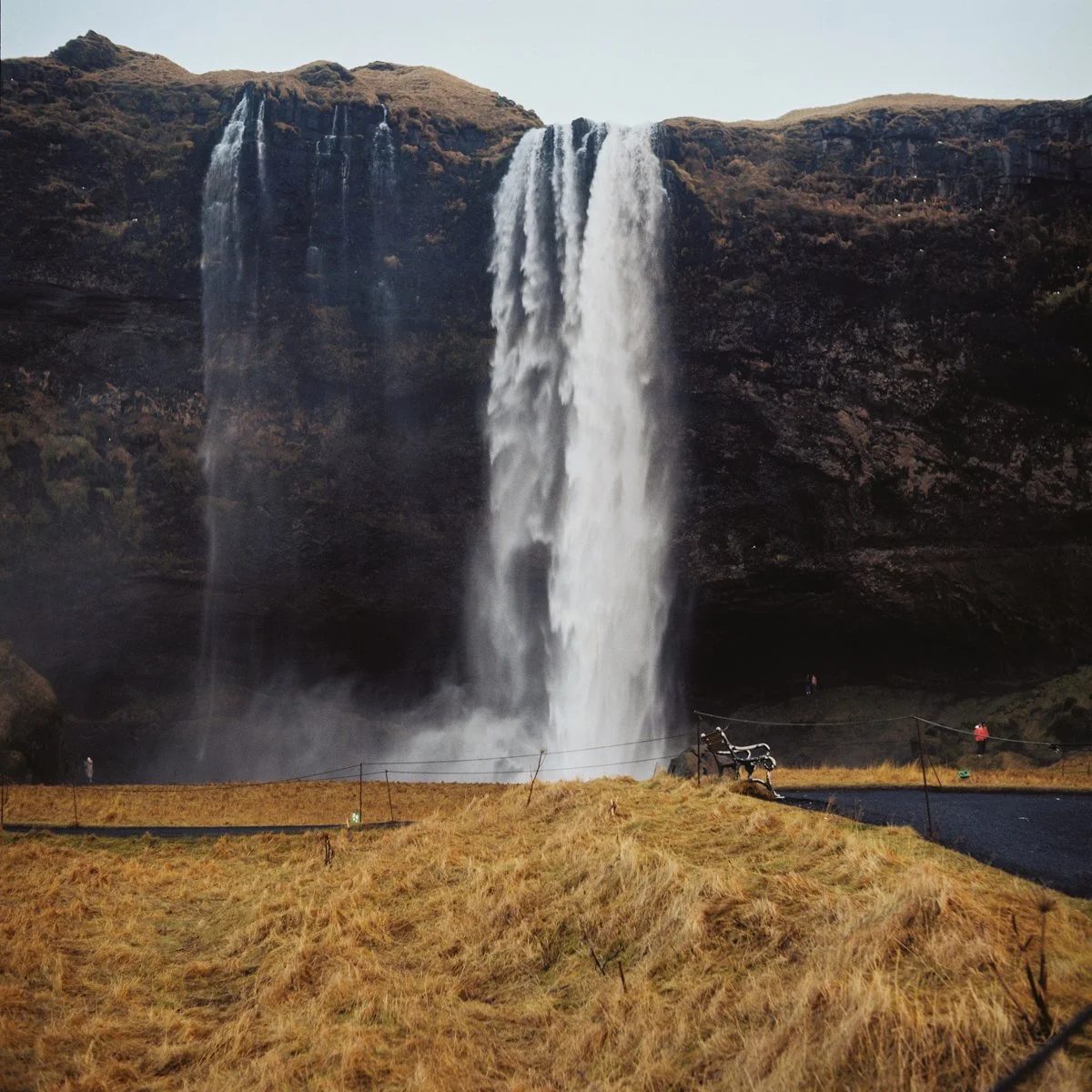
l progetto nasce da una relazione che cambia nel tempo: quella con il mare. Cresciuta con l'immagine del Mediterraneo come luogo di piacere e villeggiatura — l'acqua fresca sulla pelle, gli odori della macchia, il suono delle cicale tra le pinete — ci si trova col passare degli anni ad esplorare un mare diverso: quello freddo e selvaggio del nord Europa, lungo le coste della Scozia, le isole Ebridi, l'isola di Skye e l'Islanda.
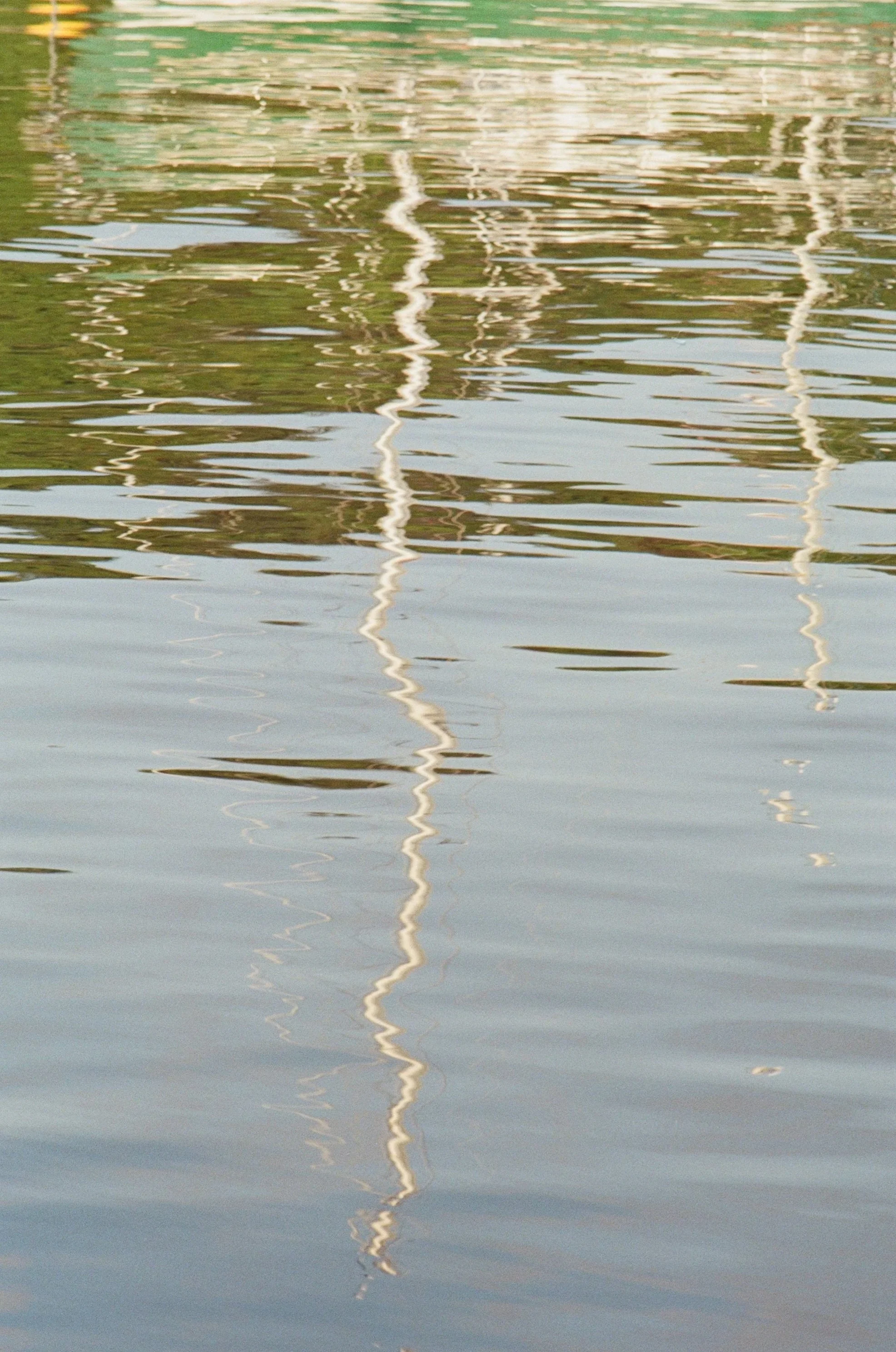
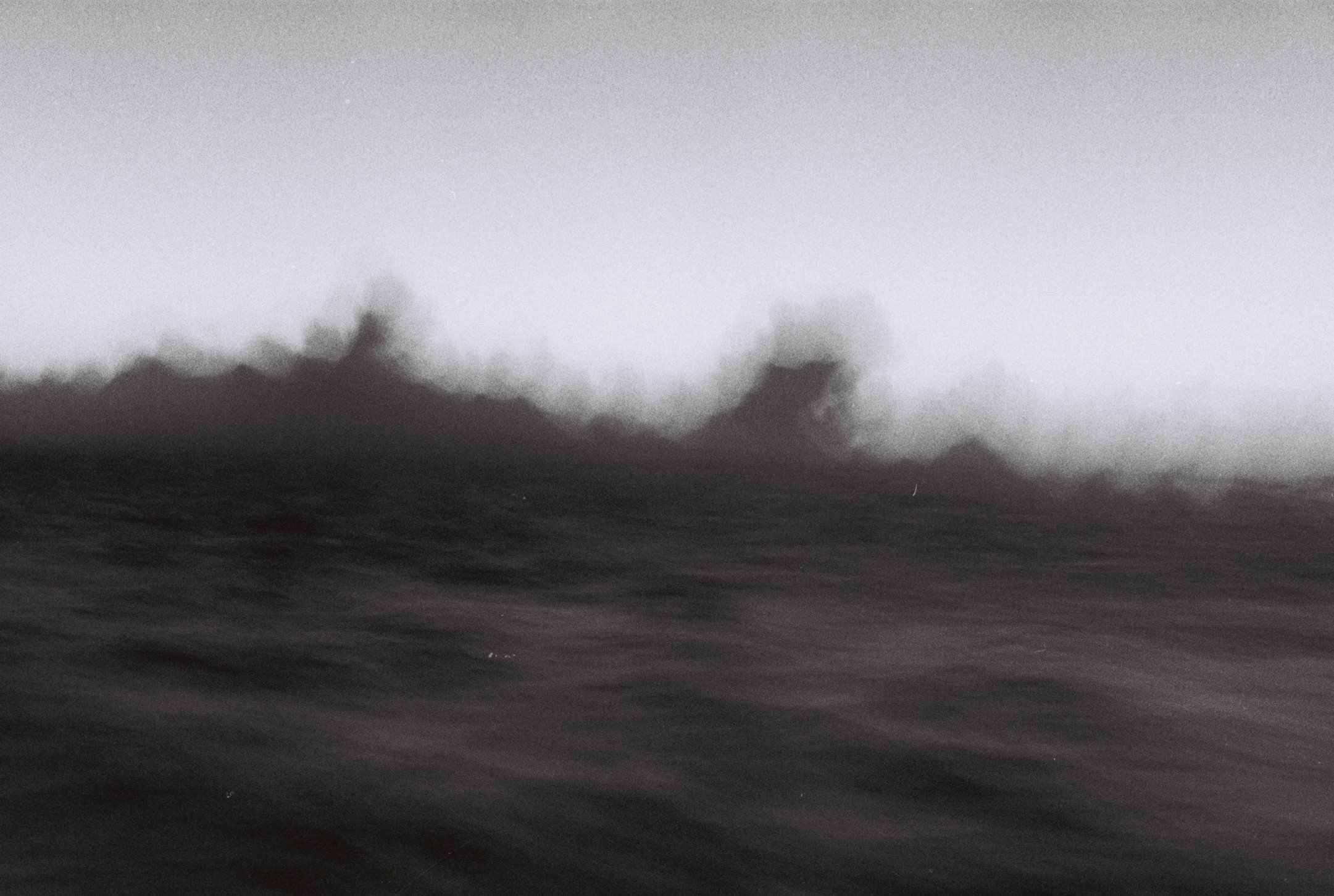
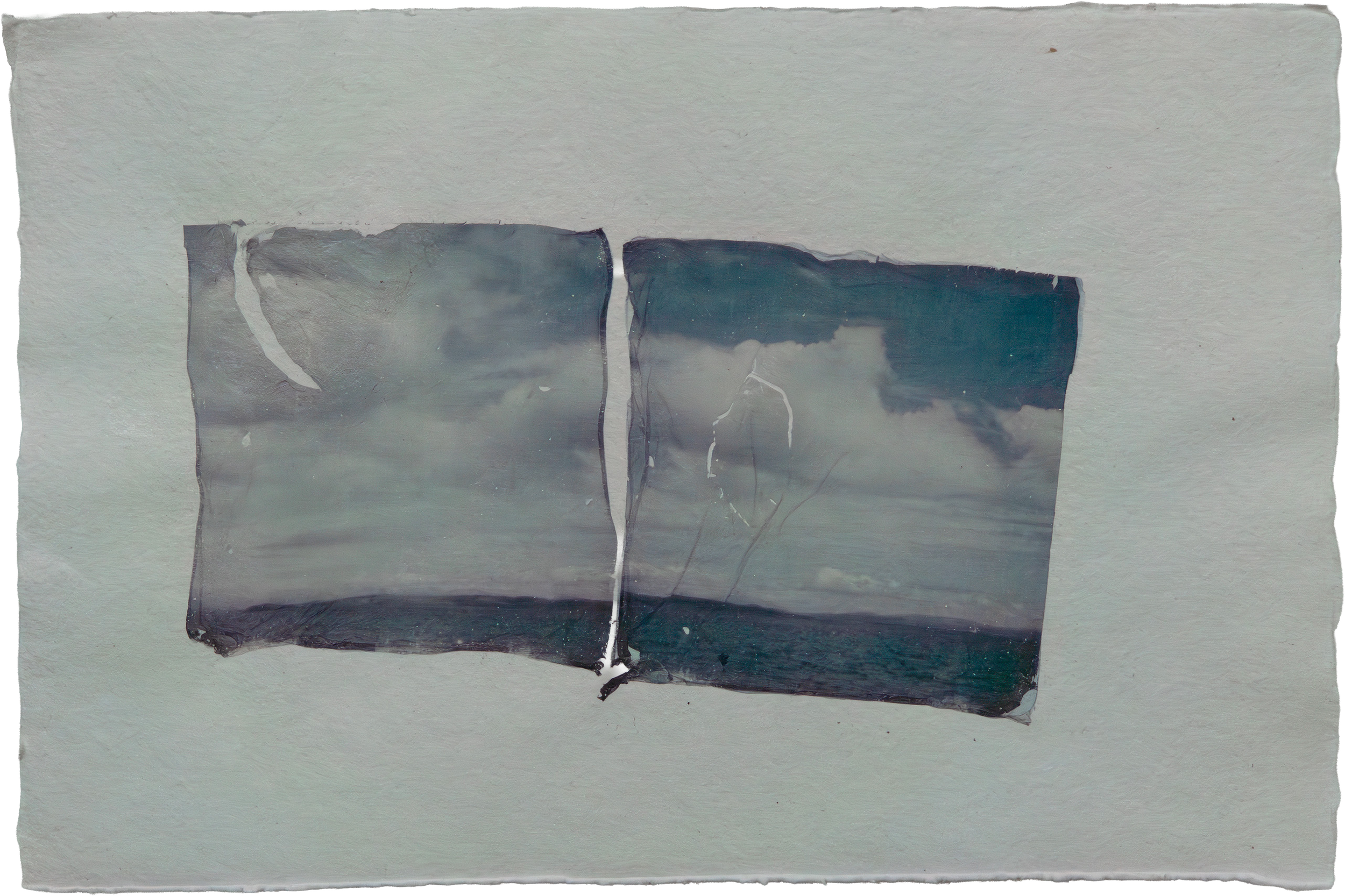
Da questo confronto nasce una metafora che attraversa l'intero lavoro: il mare come specchio degli stati d'animo. Malinconia, calma piatta, disperazione abissale — gli stessi aggettivi che usiamo per descrivere il mare sono quelli con cui descriviamo noi stessi. Il progetto indaga così la natura duplice del mare — rifugio e minaccia, bellezza e pericolo — come metafora della condizione umana: la ricerca di un equilibrio tra vulnerabilità e resilienza, tra ciò che ci nutre e ciò che ci mette alla prova.
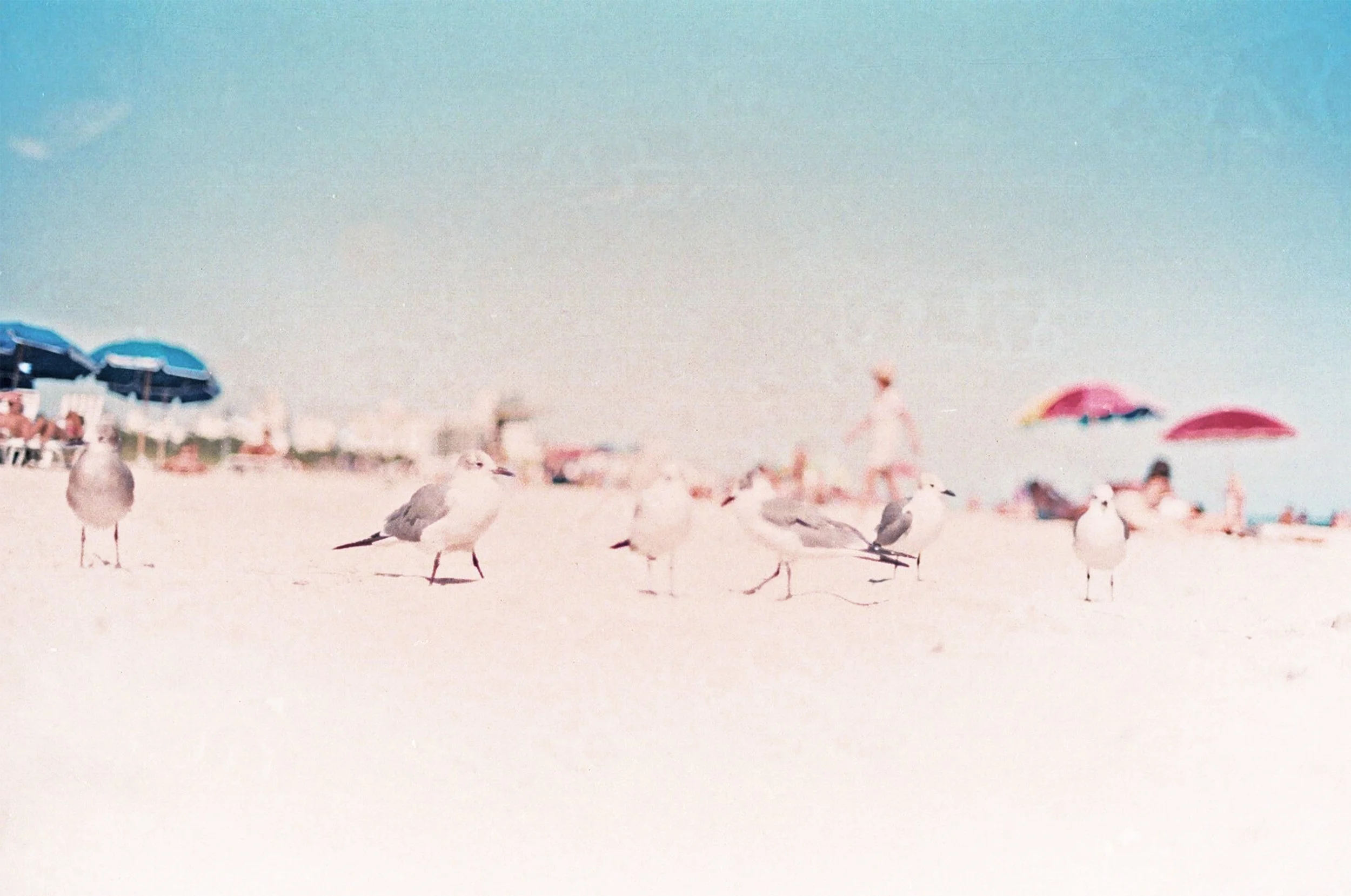
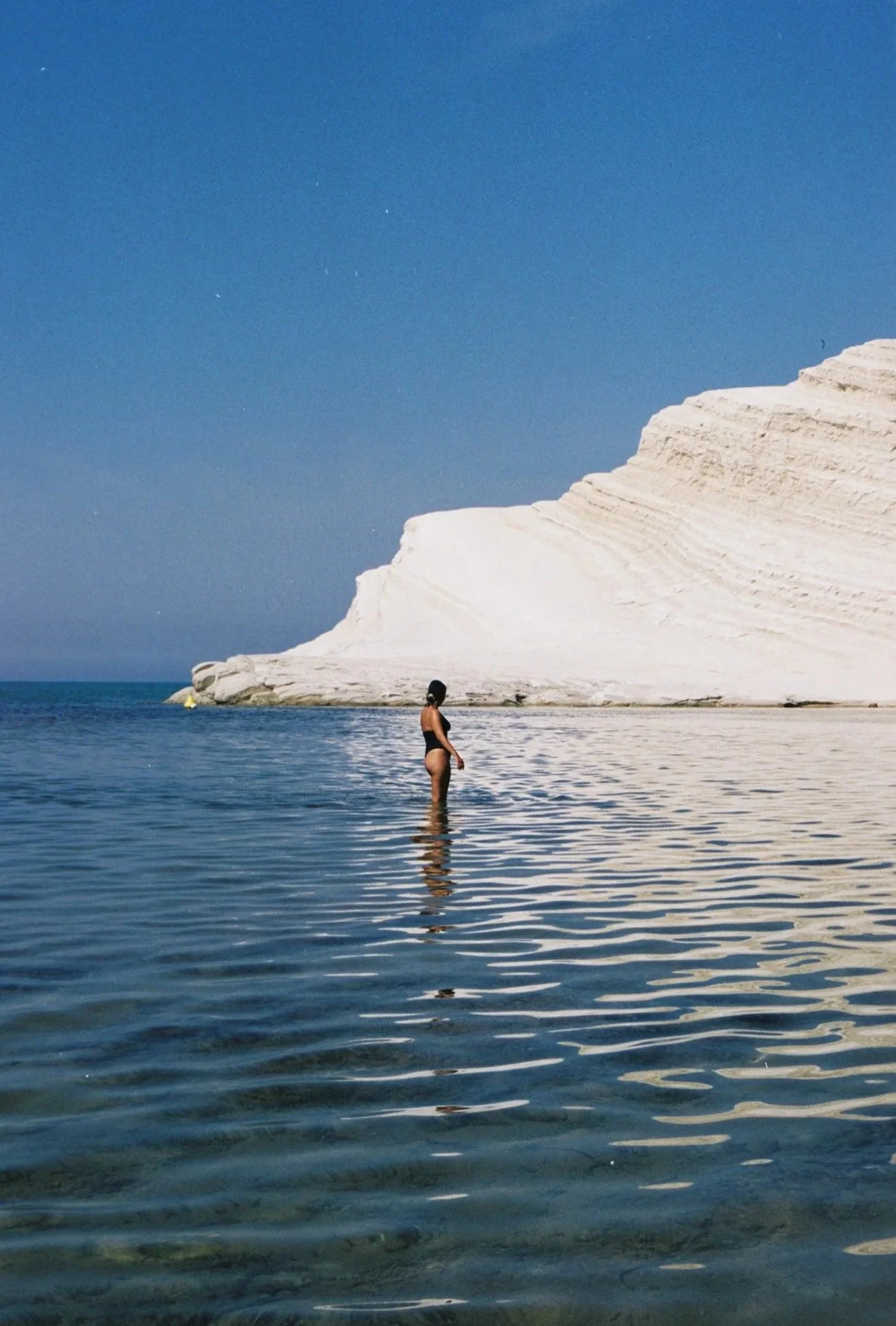
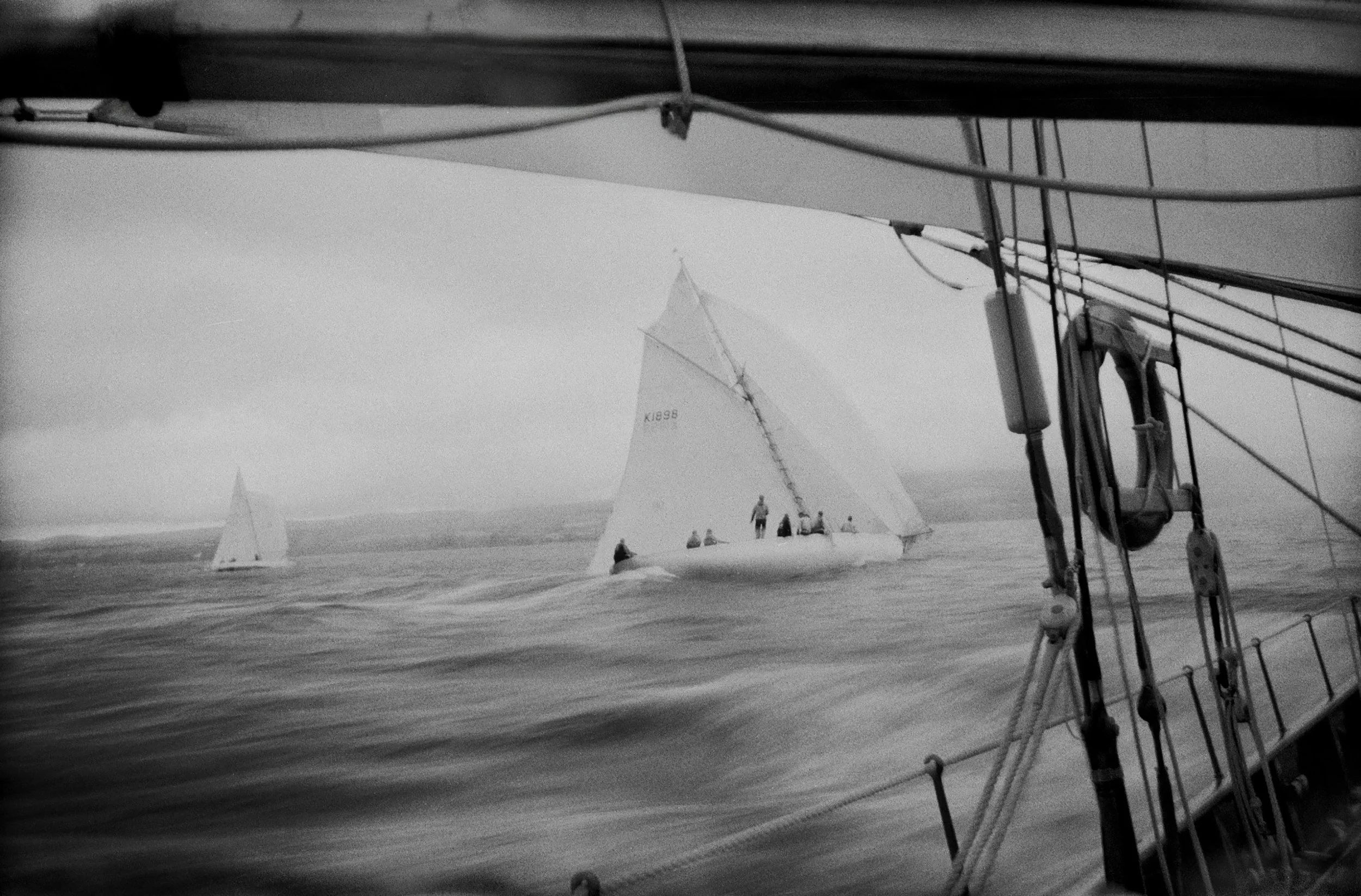
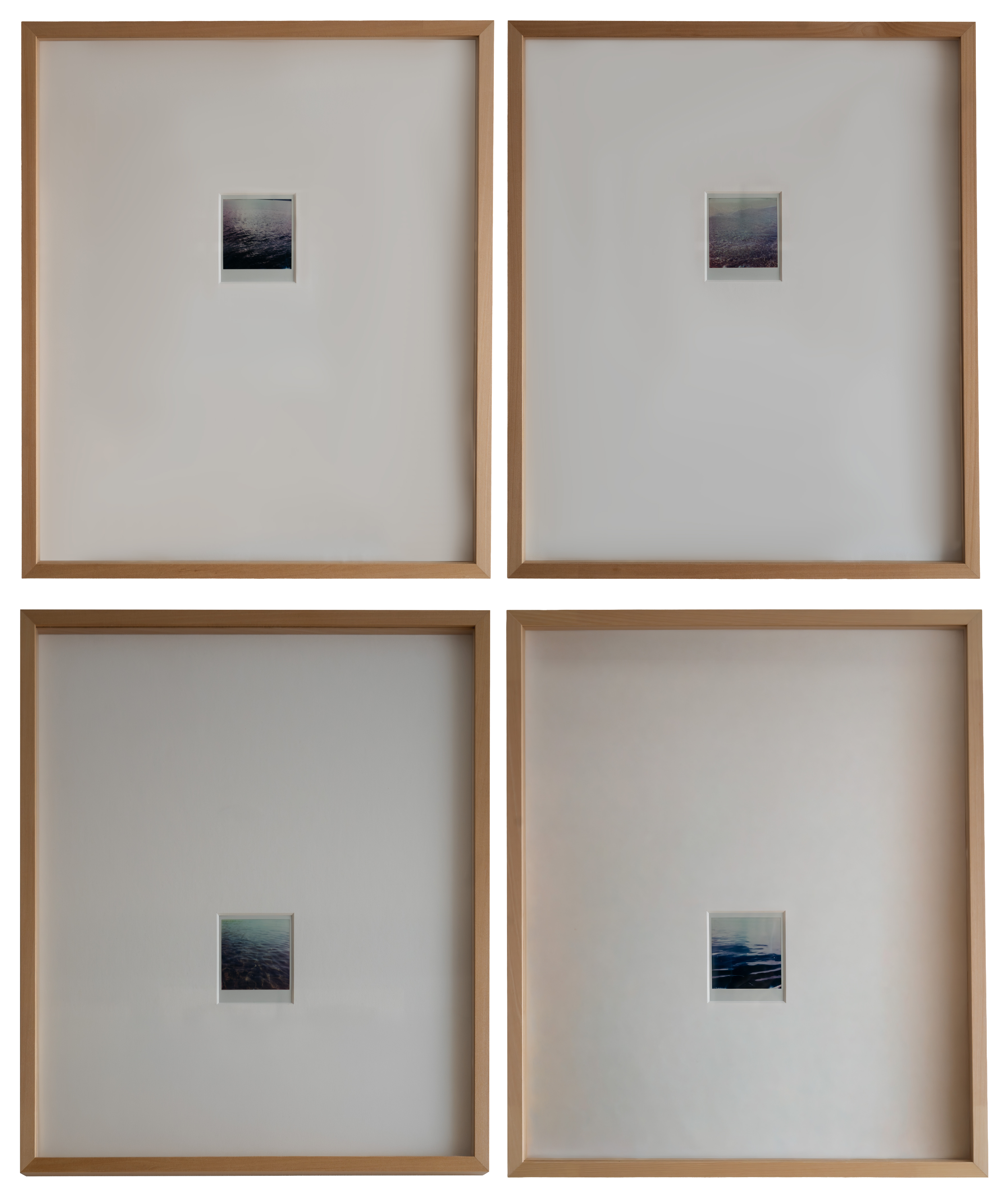
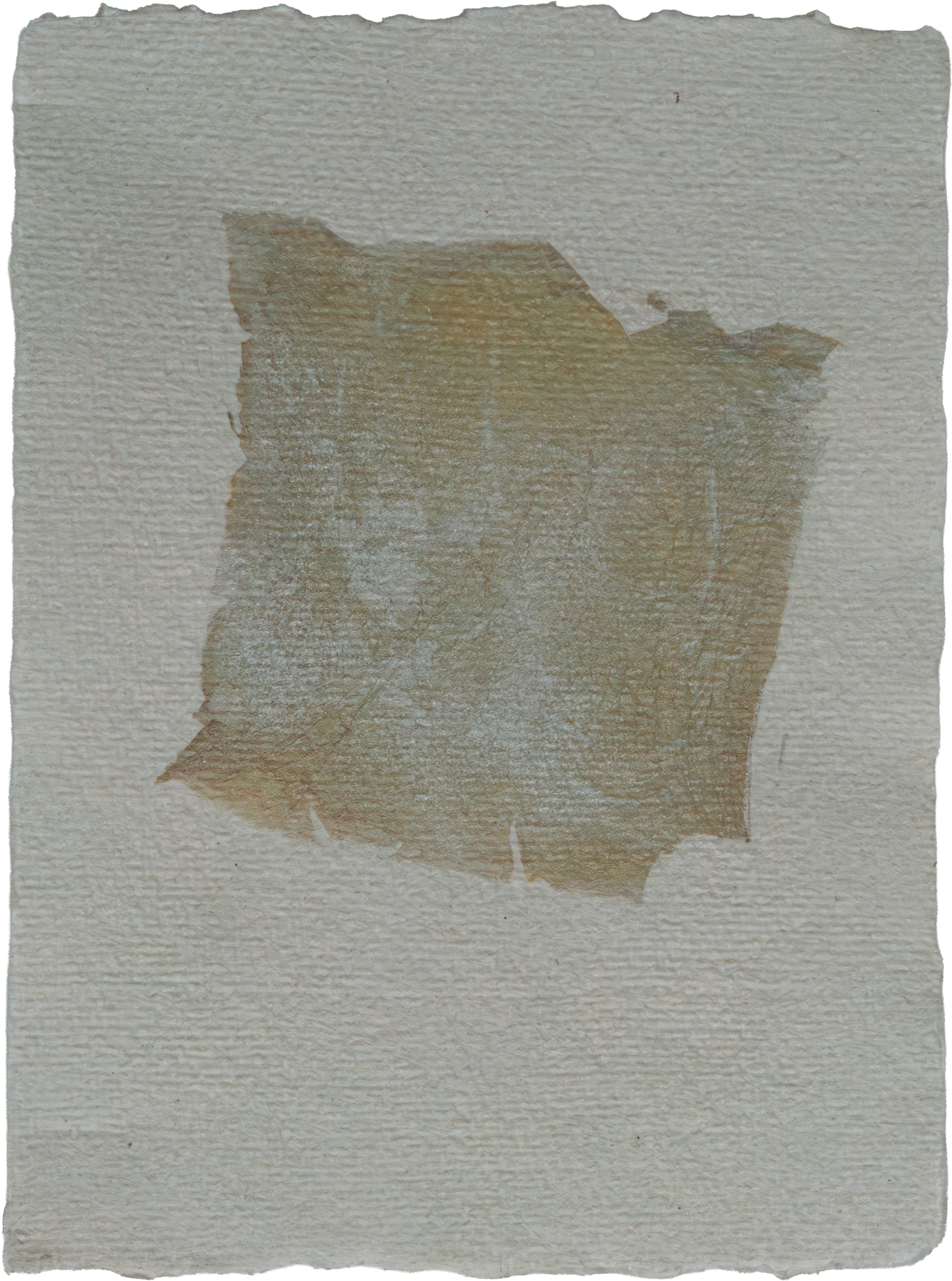
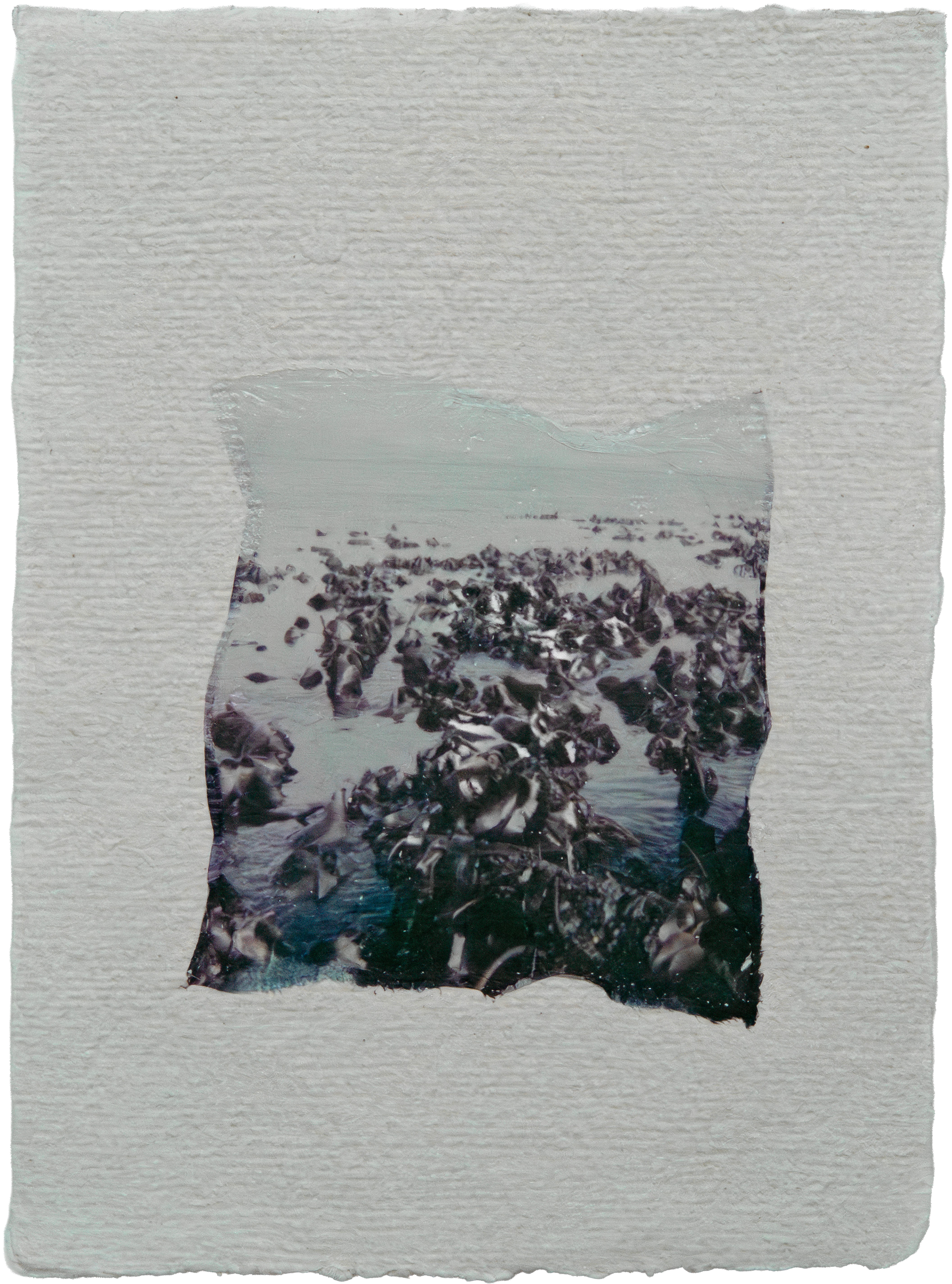
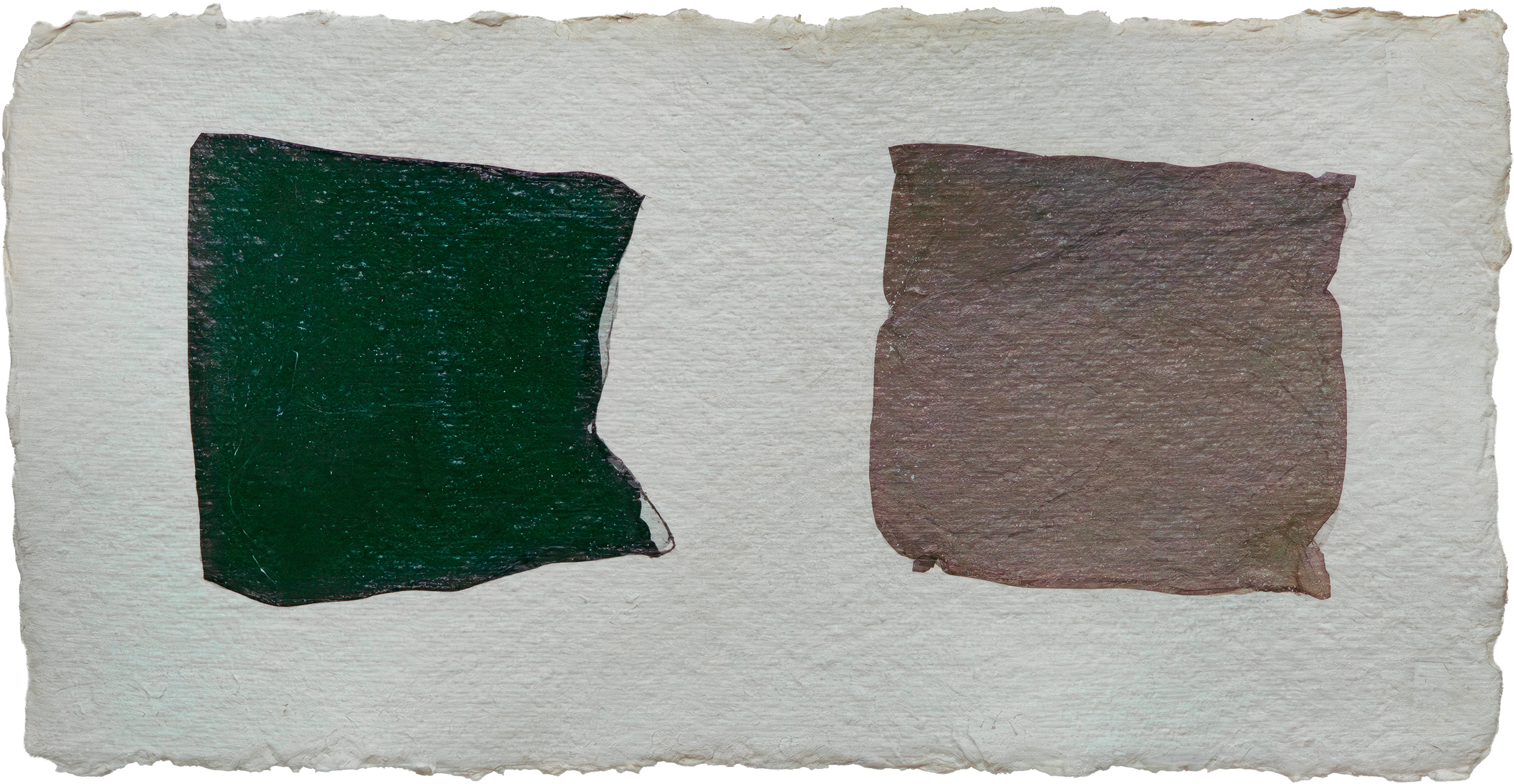
Il lavoro è stato realizzato interamente con fotografia analogica, alternando colore e bianco e nero, e diversi formati — dal 35mm al medio formato, alle Polaroid da macchine leggere come le point-and-shoot a strumenti pesanti e complessi come l'Hasselblad. Anche questa scelta tecnica diventa parte del racconto: i formati si fanno voce dei momenti più lievi e di quelli più difficili, in un dialogo costante tra leggerezza e peso, tra immediatezza e lentezza.
The project grows out of a relationship that shifts over time: with the sea. Raised with the image of the Mediterranean as a place of pleasure and holidaymaking — the cool water on her skin, the scents of the scrub, the sound of cicadas among the pines — over the years, we find ourselves exploring a different sea: the cold, wild one of northern Europe, along the coasts of Scotland, the Hebrides, the Isle of Skye, and Iceland.
Out of this confrontation comes a metaphor that runs through the entire body of work: the sea as a mirror of states of mind. Melancholy, dead calm, abysmal despair — the very adjectives we use to describe the sea are the ones with which we describe ourselves. The project thus investigates the sea's dual nature — refuge and threat, beauty and danger — as a metaphor for the human condition: the search for a balance between vulnerability and resilience, between what nourishes us and what tests us.
The work was shot entirely on analogue film, moving between color and black and white, and across different formats — from 35mm to medium format, to Polaroid from lightweight cameras like point-and-shoots to heavy, unwieldy instruments like the Hasselblad. This technical choice also becomes part of the narrative: the formats give voice to the lighter moments and the harder ones alike, in a constant dialogue between lightness and weight, immediacy and slowness.